
30-sec preview
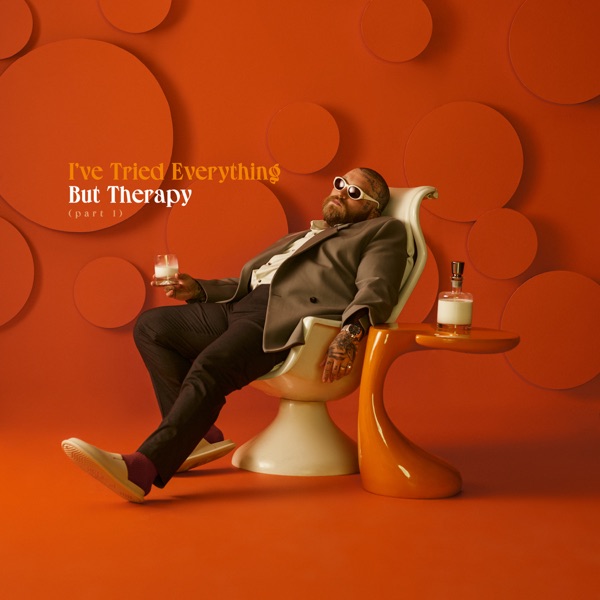
2023 · From the album I've Tried Everything But Therapy (Part 1)
Lose Control
by Teddy Swims
The reading
A confession of dependency dressed as a love song, where wanting someone has curdled into needing them just to feel intact
02 · Interpretation
Teddy Swims, Lose Control: When Wanting Becomes Withdrawal
The song is about the point where romantic want stops feeling like desire and starts feeling like withdrawal. It is a love song that keeps slipping into the vocabulary of addiction, and it never quite decides whether the partner is the cure or the substance.
Released in June 2023 as part of I've Tried Everything But Therapy (Part 1), the song sits inside an album whose title already announces a theme: the singer has run out of fixes, and what is left is the relationship and the wreckage. The framing matters, because Lose Control could be heard as straightforward romantic neediness. Read against the album, it sounds more like a symptom.
The opening: something is wrong before the partner is even mentioned
The first verse does not begin with love. It begins with a man who does not recognize himself. Something has a hold of him, the walls are closing in, the devil is at the door. Only after the dread is established does he turn to the absent partner and admit he is bad at being alone. The order is important. The neediness is not framed as romance; it is framed as a failure of self-containment. The image of trying not to tear the skin off his bones is the song's most physical line, and it pushes the feeling past metaphor into something closer to panic.
The chorus: a feedback loop
The hook is built on a contradiction the singer never resolves. He loses control when the partner is not next to him, and yet he is falling apart right in front of her. Both states are collapse. Presence does not actually fix the problem the absence creates; it just gives him an audience for it. When he tells her she is breaking his heart and making a mess of him, the accusation rings strange, because nothing in the lyric suggests she has done anything wrong. She is simply the screen onto which his unraveling is projected.
The bridge: the addiction frame becomes literal
If the verses hint at dependency, the bridge says it outright. He calls himself problematic, calls her a bad habit, calls himself an addict who needs relief. The phrase about wanting her body like a fiend and the image of her skin in his teeth pull the song into territory that is half erotic, half feral. The line about real full moon black magic that takes two is the closest the song comes to romance, but even there the framing is supernatural and compulsive rather than tender. He can't see the forest through the trees, which is as plain an admission as the song offers that his perspective is gone.
What the soul arrangement is doing
Teddy Swims sings this with the dynamic build of a classic soul ballad: restrained verses, blown-open chorus, a vocal that gets rawer as the song progresses. That genre choice does a lot of interpretive work. Soul music has a long history of treating romantic devotion as something close to religious surrender, and the song borrows that grammar to describe something less exalted. The result is a record that sounds like a love song on the radio and reads, on the page, like a description of a person who has lost the ability to regulate himself without another body in the room.
Why it connected
Lose Control became a long-running hit in part because the chorus is enormous and easy to sing, but the writing is doing more than the hook suggests. It captures a specific modern register of romantic talk, the way people now describe relationships using the language of therapy, attachment, and addiction, without quite separating which one applies. The song does not moralize about that confusion. It just performs it, very loudly, and lets the listener decide whether what they are hearing is love, panic, or the same thing under different lighting.
Themes catalogued
03 · Lyrics
"Lose Control"
Something's got a hold of me lately
No, I don't know myself anymore
Feels like the walls are all closing in
And the devil's knocking at my door, whoa
Out of my mind, how many times
Did I tell you I'm no good at being alone?
Yeah, it's taking a toll on me, trying my best to keep
From tearing the skin off my bones, don't you know
I lose control
When you're not next to me
I'm falling apart right in front of you, can't you see?
I lose control
When you're not next to me, mm-hmm
Yeah, you're breaking my heart, baby
You make a mess of me
Problematic
Problem is I want your body like a fiend, like a bad habit
Bad habit's hard to break when I'm with you
Yeah, I know, I could do it on my own, but I want
That real full moon black magic and it takes two
Problematic
Problem is, when I'm with you, I'm an addict
And I need some relief, my skin in your teeth
Can't see the forest through the trees
Got me down on my knees, darling, please, oh
I lose control
When you're not next to me
I'm falling apart right in front of you, can't you see?
I lose control
When you're not next to me, mm-hmm
Yeah, you're breaking my heart, baby
You make a mess of me, yeah
I lose control
When you're not here with me, mm
I'm falling apart right in front of you, can't you see?
I lose control
When you're not here with me, mm-hmm
Yeah, you're breaking my heart, baby
You make a mess of me
Lyrics via Google. Copyright belongs to rights holders.
04 · FAQ
Frequently asked
What does 'I lose control when you're not next to me' actually mean in the song?
Why does Teddy Swims compare the relationship to addiction in Lose Control?
Is Lose Control based on a true story or a real relationship?
What does the line about 'real full moon black magic' mean?
How does Lose Control fit into the album I've Tried Everything But Therapy (Part 1)?
Why did Lose Control become such a long-running hit?
Who is the 'devil knocking at my door' in the first verse?
05 · Discography


