
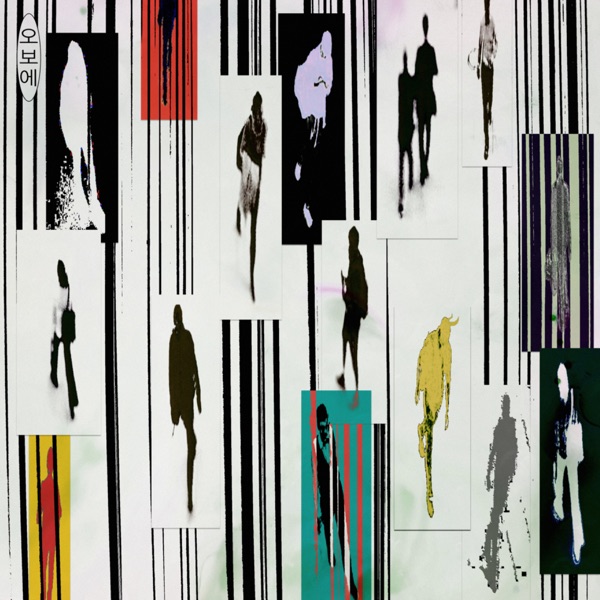
30-sec preview
2021 · From the album 3 Steps Forward, 2 Steps Back
4 Seasons (1.12)
by Young B
The reading
A circular meditation on a relationship that keeps returning like the seasons, where exhaustion, silence, and the slow turning of time replace anything that could still be said aloud
02 · Interpretation
Young B's '4 Seasons (1.12)': Clock Hands, Cut Branches, and a Love That Won't Leave
Young B's '4 Seasons (1.12),' from the 2021 album 3 Steps Forward, 2 Steps Back, sounds less like a song addressed to a lover than a private notebook left open. The parenthetical title number, 1.12, and the recurring fixation on dates and digits suggest the track is anchored to a specific calendar point, but the writing keeps pulling outward, toward seasons that come around whether you want them to or not.
The opening images are of depletion. The narrator describes feeling drained as if after a shower, only giving up once strength is already gone, and frames the moment cinematically: things feel like a movie, just before a betrayal, just before starting over. Morning arrives identical to yesterday, paired with medication and a light that hurts the eyes. From the first verse, the song establishes a person who has been running on empty long enough that the exhaustion has become routine.
Time as the central image
The most consistent metaphor in the lyric is the clock. Three nights compress into the length of a single day; the narrator notes that stringing numbers together makes everything sound like a story. The relationship is likened to a clock hand circling back to the same spot, and then to a needle, the kind that stitches a torn thing back together only for the seam to keep stinging. Even apart, the two people resemble each other. Time that they did not ask for keeps touching them, and three numbers, presumably on a clock face, line up the same way again.
This is where the song's emotional logic clicks into place. The relationship is not portrayed as a decision but as a recurrence, something that returns the way January returns, the way the four seasons return. The refrain captures this resignation with a small tenderness: a wish to stop hating the other person for just one second, an impulse to be the first to reach out like a child would, a hope that timing will feel like fate and love will arrive by accident. Numbers, the narrator suggests, have replaced words; this is a relationship that no longer needs language.
Silence, adulthood, and pruning
A quieter passage in the middle reframes the muteness. Being grown up, the song observes, makes you close your mouth, and that silence then makes you doubt your own feelings. The narrator decides the branches of thought need to be cut back. Against that pruning, only one thing reliably comes back: the seasons. It is a small, almost botanical consolation, and it sets up the later image of the narrator as a tree whose endurance is finally cracking, with January feeling like the month they might not survive.
The final verses turn self-critical. The narrator suspects their own art of selfishness, calls their suffering a kind of performance ("acting as if it were the last time"), and admits the mask was something they actually wanted. There is a striking switch into English, "I need a pen," as if the only way to handle the accumulated resentment is to draw it rather than speak it. Small rituals appear: lighting one candle at a time on a birthday, brewing tea at thirty, letting a flower of distrust bloom anyway. These are not triumphant gestures. They are the things you do to mark that time has passed when nothing else has changed.
Why it lingers
Korean indie and alternative R&B in the early 2020s produced a lot of songs about emotional stasis, but '4 Seasons (1.12)' earns its place by refusing the easy arc of recovery. Nothing is resolved. The clock keeps moving, the seasons keep returning, the relationship keeps stitching itself back together and stinging at the seam. The song's quiet argument is that some attachments are not problems to solve but weather to live inside. For listeners in their late twenties and early thirties, that framing tends to land harder than any breakup anthem.
Themes catalogued
03 · Lyrics
"4 Seasons (1.12)"
다 잃고 나서야 포기해
영화 같아 우리 드디어
다시 하기 전에 배신해
어제와 같은 아침에
약이랑 눈이 부시네
영화 같아 난 드디어
마지막일 듯한 느낌에
하루 같아 내 3일 밤은 공황을 닮아
당연하지, 숫자로 이어가면 다 이야기 같지
난 왜 아직이라 해, 제자리인걸, 다행인데 반대로
어둡다 해가 떠도, 이상하다 해 이상의 삶을
멀어져도 우린 닮아 있지
맴돌아 제자리를 시계같이
바늘 같아 이 관계는
찢어져서 꿰매어도 따갑네
원하지 않아도 맞닿는 시간
세 개의 숫자가 다 같네
1초만 널 미워하지 않을래
아이처럼 내가 먼저 안을래
운명 같게 해 timing
우연하게 사랑해
이 말을 대신하는 건 숫자겠지
말이 필요 없는 관계네
어른스러움은 입을 닫게 해
침묵은 기분을 의심하게 해
생각의 가지를 잘라야겠어
다시 와주는 건 오직 사계
나무 같아 내 버팀은
이제야 죽을 것 같은 1월
시집 같다고 정리해
이기심 같은 예술이겠지
희생한다고 적히네
기록이라는 핑계로
화가 난 듯이 나 힘이
마지막인 듯이 연기해
간절히 원한 가면이네
사실은 나 화가 I need a pen
적지 않은 미움을 그리네
억지로 안 잘래 생일엔
초에 불을 하나씩
불신이라는 꽃을 피우네
향이 나게 해 껍질은
차를 달이길 30에는
(운명 같게 해 timing)
(우연하게 사랑해)
(이 말을 대신하는 건 숫자겠지)
(말이 필요 없는 관계네)
(어른스러움은 입을 닫게 해)
(침묵은 기분을 의심하게 해)
(생각의 가지를 잘라야겠어)
(다시 와주는 건 오직 사계)
Lyrics via Google. Copyright belongs to rights holders.
04 · FAQ
Frequently asked
What does the title '4 Seasons (1.12)' refer to in Young B's song?
What is the meaning of the clock and needle imagery in '4 Seasons (1.12)'?
Why does Young B sing about numbers replacing words in '4 Seasons'?
What does the line about cutting the branches of thought mean?
How does '4 Seasons (1.12)' fit into the album '3 Steps Forward, 2 Steps Back'?
Why does Young B switch to English for 'I need a pen'?
05 · Discography


