
30-sec preview
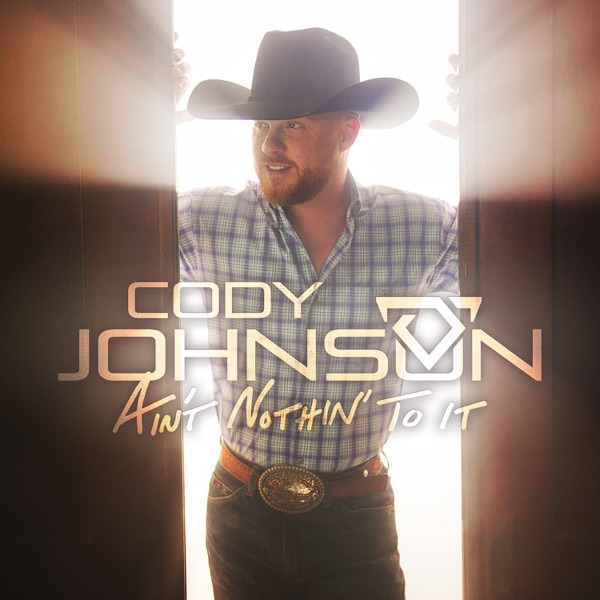
2026 · From the album Banks Of The Trinity
Take Me Back (Leave Me There)
by Cody Johnson
The reading
A homesick prayer for a vanished mid-century South, where the singer wants not just to visit the past but to be left there for good
02 · Interpretation
Cody Johnson's One-Way Ticket to 1949
The premise is in the parenthesis. Plenty of country songs ask to be taken back somewhere; Johnson asks to be left there. That second half turns a sentimental wish into something closer to a refusal of the present, and it gives this short track (under three minutes) its quiet force.
The opening image is precise in a way nostalgia songs often aren't. He doesn't want a generic trip down memory lane; he wants a Greyhound bus with a destination sign reading "Elrod Alabama 1949." Naming the town and the year does two things at once. It grounds the longing in a real place (Elrod is a small community in west Alabama), and it locks the destination to a moment just after World War II, before the interstates, before television saturation, before the civil rights upheavals that would reshape the region. The smell of magnolias in summer air seals the postcard.
The chorus widens that postcard into a landscape. "Pass through the land of cotton" borrows directly from the old minstrel-era melody of "Dixie," a phrase loaded with history the song does not engage with; here it functions as shorthand for a rural South of the imagination. What he's after, he says plainly, are "feelings long forgotten," and the props he reaches for are domestic and small-scale: a shaded yard, a tire swing, a rocking chair. The ask is not for wealth or adventure. It's for a porch.
The second verse moves from landscape to family lore. He wants to live inside his grandfather's stories, not just hear them, and the detail of a drugstore malt "for two" hints at courtship as much as childhood. Then comes the song's best small joke: grandma's blue ribbon pickles "made the front page news." In a town small enough for a county fair win to be page-one, the scale of a life is human-sized. That's the real argument of the song. The past he wants isn't grander than the present; it's smaller, and the smallness is the appeal.
The bridge between the verses gives away the desperation under the sweetness. "Yesterday is all I'm after / How I get there I don't care." The means don't matter, only the arrival, and the refusal to come back. Read generously, it's a man tired of modern noise asking for stillness. Read more darkly, it's an admission that the present offers nothing he wants to return to.
A familiar country move, with a twist
Nostalgic Southern pastoral is one of country music's oldest modes, from Merle Haggard's small-town reveries to Alan Jackson's "Remember When." Johnson, whose career has leaned into traditionalist sounds and the working ranch-hand persona of his earlier hits, fits comfortably in that lineage. What distinguishes this entry is the refusal of the round trip. Most nostalgia songs are about visiting; this one is about emigrating. The repeated tag "and leave me there," hammered four times by the end, is the whole point.
The song does not interrogate the year it picks. 1949 Alabama was many things to many people, and the cotton fields and shaded porches did not feel like refuge to everyone who lived among them. Listeners who want the song to grapple with that won't find it grappling. What it offers instead is one man's private fantasy, candidly framed as a fantasy: a destination sign on a bus that no longer runs, to a year that can't be reached.
Why it lands
At under three minutes, the track doesn't overstay. It builds its world in two verses and a chorus, then repeats the closing line until it sounds less like a wish and more like a prayer. In a 2026 release cycle dominated by louder, more produced country, the modesty of the writing, a Greyhound, a pickle jar, a rocking chair, is itself the argument. Whether it endures depends on whether listeners hear the parenthetical as comfort or as something more uneasy. Both readings are in the song.
Themes catalogued
03 · Lyrics
"Take Me Back (Leave Me There)"
That Had A Destination Sign
Said Elrod Alabama 1949
With The Smell Of Sweet Magnolias
Blowing In The Summer Air
Lord Take Me Back And Leave Me There
Chorus
Pass Through The Land Of Cotton
Carry Me Away To Those Feelings
Long Forgotten In The Good Old Days
To The Place That's Cool And Shady
Tire Swings And Rocking Chairs
Lord Take Me Back And Leave Me There
I Want To Live In Grandpa's Stories
Taste A Drugstore Malt For Two
Of Grandma's Blue Ribbon Pickles
That Made The Front Page News
Yesterday Is All I'm After
How I Get There I Don't Care
Just Take Me Back And Leave Me There
Chorus
Pass Through The Land Of Cotton
Carry Me Away To Those Feelings
Long Forgotten In The Good Old Days
To The Place That's Cool And Shady
Tire Swings And Rocking Chairs
Lord Take Me Back And Leave Me There
To The Place That's Cool And Shady
Tire Swings And Rocking Chairs
Lord Take Me Back And Leave Me There
Lord Take Me Back And Leave Me There
Lyrics via Google. Copyright belongs to rights holders.
04 · FAQ
Frequently asked
What does 'Take Me Back (Leave Me There)' by Cody Johnson actually mean?
Why does Cody Johnson mention Elrod, Alabama in the song?
What is the 'land of cotton' line referencing in the chorus?
What's the story behind grandma's pickles making 'front page news'?
How does this song fit into Cody Johnson's traditionalist country style?
Is 'Take Me Back (Leave Me There)' about a real memory or an imagined one?
Why does the song repeat 'Lord take me back and leave me there' so many times?
05 · Discography